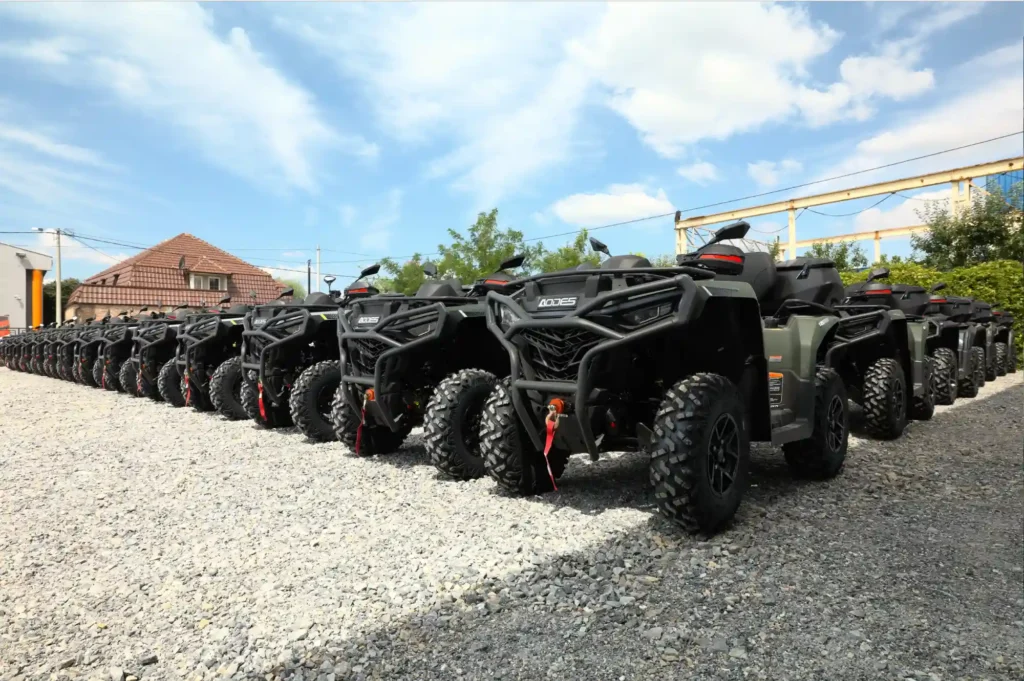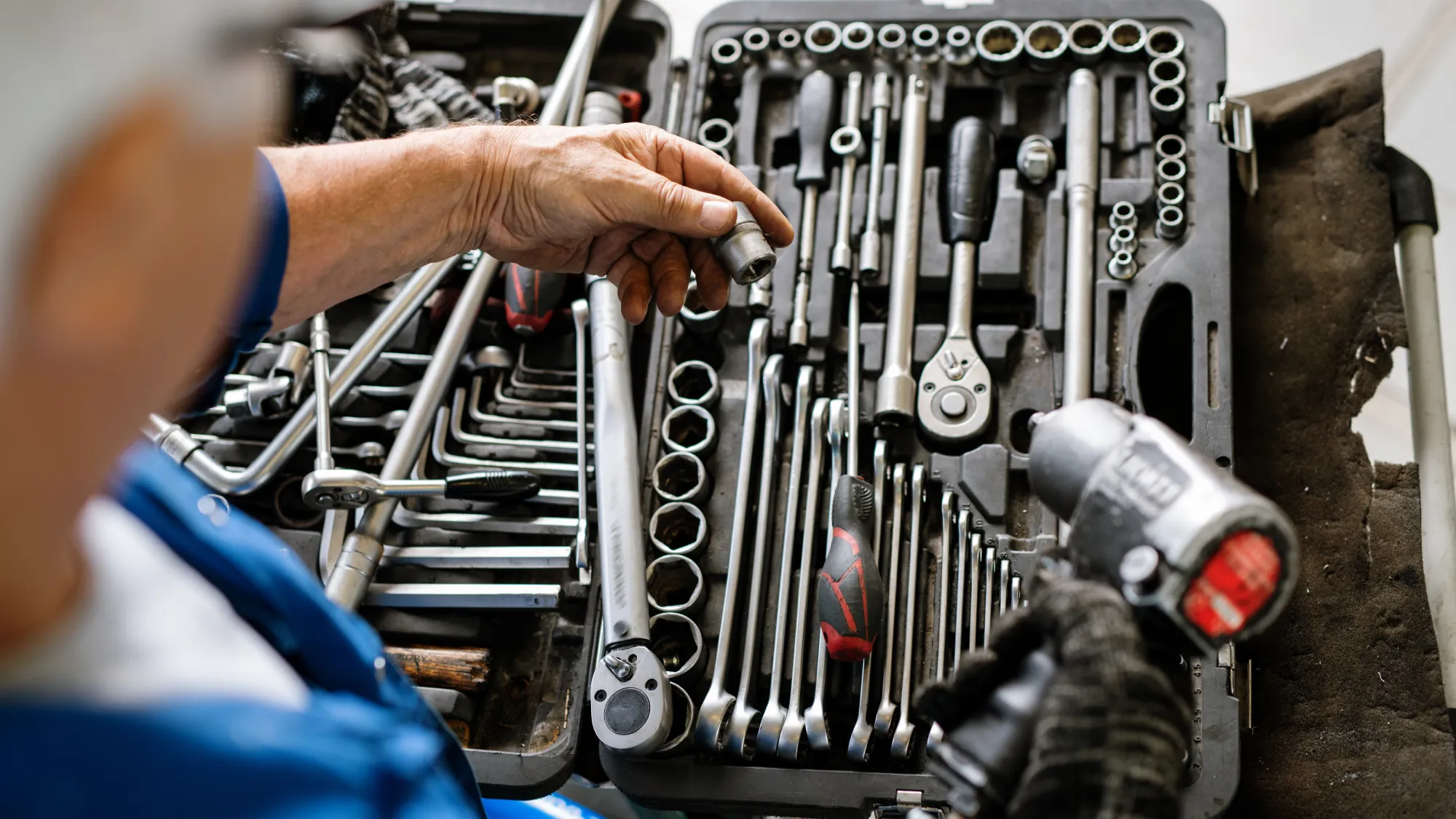
An ATV is a serious investment that can last for years if properly maintained. However, due to the specific conditions in which it is used (mud, dust, water, extreme temperatures), an ATV requires more frequent and careful maintenance than a regular car.
Important: The first ODES vehicle service is mandatory at 300 km. This service is crucial as it represents the break-in period for all the vehicle's systems, from the engine and brakes to the transmission and other components. During this initial period, the vehicle requires more attention and more careful operation. After the first service, regular maintenance is performed every 1,000 km.
In this guide, we cover all aspects of ATV maintenance, from daily checks to seasonal preparation. Whether you're a new owner or an experienced rider, these tips will help you extend the life of your ATV and avoid expensive repairs. For all maintenance and service interventions, contact an authorized ODES service center, as only professional staff can guarantee the proper functioning of your vehicle.
Why is ATV maintenance important?
ATV vehicles are used in the harshest conditions. Mud, sand, water, dust, and extreme temperatures put enormous pressure on all vehicle components. Without regular maintenance, these factors can lead to premature wear and tear of parts and expensive breakdowns.
Consequences of poor maintenance
Engine damage due to insufficient, non-specific, or highly used oil. Clogged filters that reduce performance and increase fuel consumption. Worn brakes that compromise safety. Corrosion of parts due to uncleaned mud and moisture. Electrical system failures due to water and dust.
Benefits of regular maintenance
Longer lifespan for the vehicle and all components. Better performance and lower fuel consumption. Greater safety while driving. Preserved vehicle value upon resale. Fewer unexpected breakdowns and repair costs.
Inspections before every ride
A five-minute pre-departure check can save you from major problems on the road. Here's what to check every time before you set off. If you notice any irregularities, contact an authorized ODES service center before continuing your drive.
Oil level
Check the engine oil level with the dipstick. The oil should be between the minimum and maximum marks. If the level is low, visit an authorized ODES service center for a top-off before you start driving. Never drive with a low oil level, as this can cause engine damage.
Tire pressure
Incorrect tire pressure affects handling, fuel consumption, and tire wear. The recommended pressure depends on the model and the type of terrain. Higher pressure is used for hard terrain, while lower pressure is used for sand and mud. Check the specification in the manual for your model or consult an ODES service center.
Brakes
Check the brake operation before you start. The brake lever or pedal should have proper travel and resistance. If you feel the brakes are spongy or the vehicle pulls to one side, do not drive until the problem is resolved at an authorized ODES service center.
Lights and signaling
Make sure all lights are working properly: headlights, taillights, brake lights, and turn signals if the vehicle has them. This is especially important if you plan to drive at dusk or in the dark.
Visual overview
Inspect the vehicle for obvious problems: fluid leaks, loose parts, damaged tires, cracks in the hoses. This inspection takes less than a minute and can uncover problems before they become serious.
Cleaning an ATV after riding
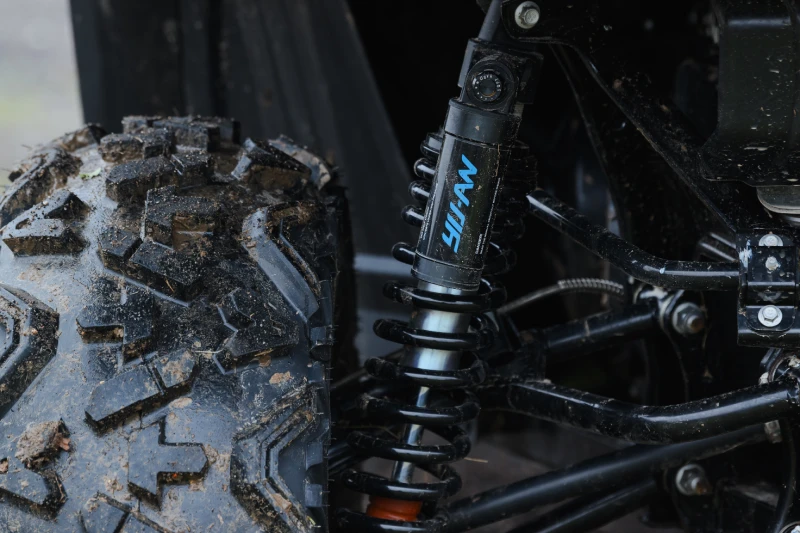
Cleaning after every ride is not just a cosmetic issue. Mud, sand, and moisture can cause corrosion and damage to parts if left on the vehicle. We recommend paying special attention to cleaning the engine's radiator for the proper functioning of the cooling system.
Exterior wash
Wash the vehicle with a pressure washer or a hose. Pay attention to the underside of the vehicle, the suspension, and the wheels where the most mud accumulates. Avoid spraying water directly onto the electrical components, air filter, and exhaust system.
Chain and drivetrain
If your ATV has a chain drive, cleaning and lubricating the chain after every ride is essential. For a cardan drive, you need to check for any accumulated mud around the joints. For these procedures, we recommend visiting an authorized ODES service center.
Drying
Let the vehicle dry before storing it. If possible, start the engine for a few minutes to warm it up and evaporate moisture from the exhaust system. This prevents corrosion from the inside.
Air filter
After driving in dust or mud, the air filter requires inspection. Cleaning or replacing the filter should be done at an authorized ODES service center, as improper procedure can damage the filter and the engine. A dirty filter reduces airflow to the engine, which affects performance and fuel consumption.
Scheduled Maintenance Table
Here is an overview of all maintenance items with recommended intervals. These intervals are approximate and may vary depending on usage intensity and driving conditions. All maintenance from this table should be performed at an ODES authorized service center to ensure proper vehicle operation:
|
Maintenance item |
Interval |
Note |
|
Engine oil change |
Every 1000 km |
Or once a year |
|
Oil filter replacement |
Every 1000 km |
Together with the oil |
|
Air Filter Replacement |
Every 3,000 km |
Or when it is visibly dirty |
|
Brake check |
Every 500 km |
Tile thickness and fluid level |
|
Brake fluid replacement |
Every 2 years |
DOT4 specification |
|
Checking tire pressure |
Before every ride |
According to the specification |
|
Chain/Cardan Drive Lubrication |
Every 500 km |
More often in muddy conditions |
|
Checking the spark plugs |
Every 5,000 km |
Replacement as needed |
|
Antifreeze replacement |
Every 2 years |
Monthly check |
Note: For intensive use (competition, daily use, extreme terrain), shorten the intervals by 30-50%. Always follow the manufacturer's recommendations for your specific model. With regular maintenance at an authorized service center, a complete inspection of the vehicle's critical points is also performed according to factory specifications, along with tightening and full lubrication. Service appointments can be scheduled through the ODES contact page.
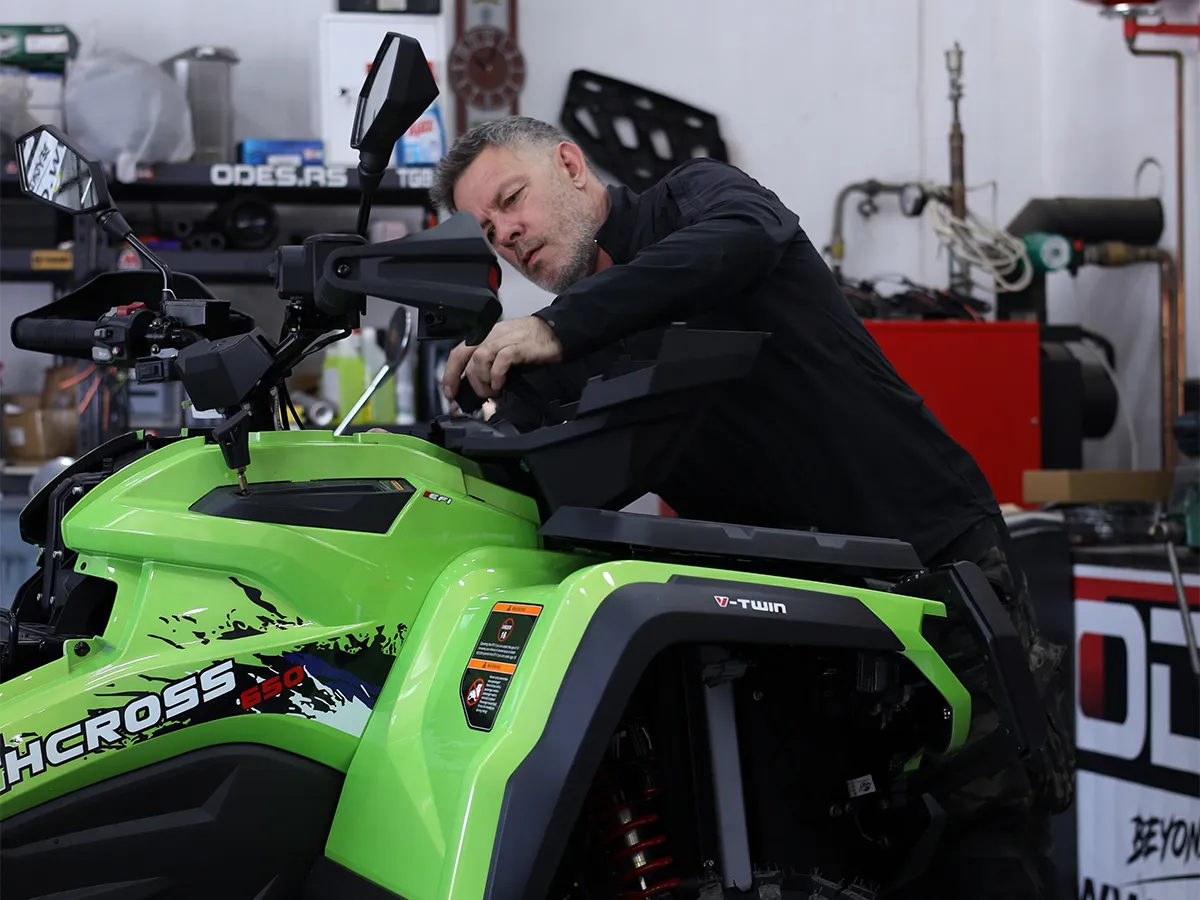
Engine Oil Change – How It's Done at the Service Center
An oil change is the most common and important service procedure for an ATV. This procedure should be left to the experts at an ODES authorized service center, who have the proper tools and genuine parts. Here is how the process works:
Preparation
The engine is warmed up with a short drive of 5-10 minutes. Hot oil flows more easily and carries more impurities with it. The vehicle is parked on a level surface and the engine is shut off.
Draining old oil
A container is placed under the oil drain plug. The plug is unscrewed and the oil is allowed to drain completely. This may take 10-15 minutes. Technicians check the condition of the plug's gasket and replace it if it is damaged.
Oil filter replacement
While the oil is draining, the oil filter is replaced. The old filter is unscrewed, the new filter's gasket is oiled, and the filter is hand-screwed on. Using a tightening tool can damage the gasket, so it is important that this is done by trained personnel.
Pouring new oil
The drain plug is tightened. New oil is poured through the fill opening. Use oil of the manufacturer's recommended specification. The amount specified in the manual is usually 2-3 liters, depending on the model.
Level check
Start the engine for a minute, then turn it off. Wait a few minutes for the oil to settle, and check the level on the dipstick. Top it off if necessary to the full mark.
Brake system maintenance
Brakes are a critical safety component. Regular inspection and maintenance are mandatory and must be performed exclusively at an ODES authorized service center for your safety.
Inspection of brake pads
A visual inspection of the brake pad thickness is performed through the openings in the calipers. The minimum thickness is usually 2-3mm. If they are thinner, service technicians will recommend an immediate replacement to the client and note it in the special service performed program, where each vehicle is tracked by its VIN number.. Never wait for the tiles to wear out completely.
Brake fluid level
The fluid level in the reservoir is checked. If the level is low, it may indicate worn pads or a leak in the system. It is topped off with DOT 4 specification fluid.
Brake fluid replacement
Brake fluid absorbs moisture over time, which reduces its effectiveness. It is recommended to replace it every 2 years, regardless of mileage. Be sure to entrust this replacement to the ODES experts.
Brake discs
Technicians check the rotors for grooves, cracks, or uneven wear. The minimum rotor thickness is specified in the manual. Damaged rotors must be replaced.
Preparing ATVs for Winter Storage
If you don't plan on using your ATV during the winter, proper storage preparation is key to preserving the vehicle. Bring your ATV to an ODES service center so the experts can perform a complete winterization.
Cleaning and protection
The vehicle is thoroughly washed and allowed to dry. A protective wax or spray is applied to unpainted metal parts to prevent corrosion.
Fuel
The tank is filled to the top and fuel stabilizer is added. The engine is run for a few minutes to circulate the stabilizer through the system. A full tank prevents moisture condensation.
Battery
The battery is removed and stored in a warm, dry place. It is connected to a maintenance charger that keeps it charged during the winter. This significantly extends the battery's lifespan.
Tires
The tires are inflated to the maximum recommended pressure. If possible, the vehicle is jacked up so the tires do not touch the ground, or the vehicle is periodically moved to prevent the tires from deforming.
Coverage
Cover the vehicle with a breathable cover. Avoid plastic tarps that do not allow air to pass through, as they can cause condensation and corrosion underneath.
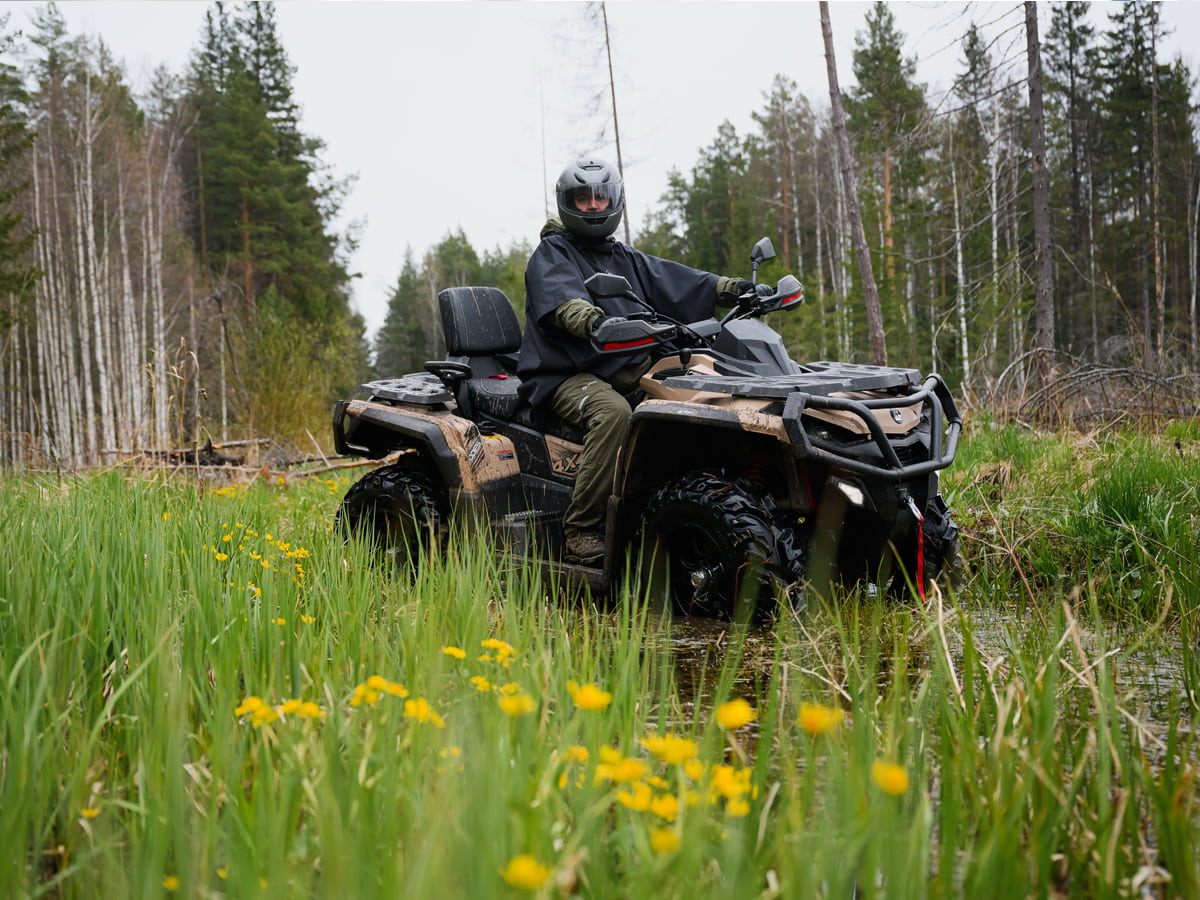
Preparation for the new season
When spring arrives, it's necessary to properly prepare your ATV for the new riding season. Bring your vehicle to an ODES authorized service center for a complete seasonal preparation:
Visual overview
Technicians inspect the vehicle for signs of damage, corrosion, or fluid leaks. The condition of the tires, hoses, and belts is checked.
Liquids
The level of all fluids is checked: engine oil, brake fluid, antifreeze, transmission fluid. It is topped off or replaced as needed.
Battery
A charged battery is installed and the vehicle is checked to see if it starts easily. The battery terminals are cleaned if there are any deposits.
Air filter
Clean or replace the air filter. Insects or dirt may accumulate during storage.
Test drive
A short test drive is performed in controlled conditions. The brakes, gas, clutch, lights, and all controls are checked before the vehicle is picked up.
Have all maintenance performed at an ODES authorized service center.
ATV maintenance requires expert knowledge, specialized tools, and genuine parts. To ensure the longevity and reliability of your vehicle, all maintenance and repairs should be performed exclusively at an ODES authorized service center. This includes:
Oil, filter, and all consumable material replacement. Transmission and drivetrain repairs. Electronic system diagnostics. Valve and injection system adjustments. Suspension repairs. All radiator system work. Electrical system repairs. Brake inspection and replacement. Seasonal vehicle preparation.
The ODES service center has original parts and trained technicians who know your vehicle inside and out.
Schedule service for your ODES ATV: https://odes.rs/servis/
Frequently Asked Questions (FAQ)
How often should you change the oil on an ATV?
Recommended interval is every 1000 km or once a year, whichever comes first. For intensive use in harsh conditions (mud, dust, high temperatures), shorten the interval to 500-700 km. Always have the oil change performed at an ODES authorized service center.
Q: Where should ATV maintenance be performed?
All maintenance and service should be performed at an ODES authorized service center. The professional staff has original parts and specialized tools for your vehicle model, which guarantees the proper functioning and longevity of your ATV.
P: How much does annual maintenance for an ATV cost?
For regular maintenance (oil, filters, basic supplies), budget 200-400 EUR annually. The price depends on usage frequency and the cost of parts for your model. Contact ODES service for an exact price list.
Q: How do I know when to replace brake pads?
Check the pad thickness visually or by the sound when braking. If you hear a squeaking or grinding sound, the pads are likely worn out. The minimum thickness is usually 2-3mm. Always have pad replacement performed by ODES experts.
Conclusion
Proper ATV maintenance is not complicated, but it requires regularity and attention. Investing in regular servicing saves money in the long run because it prevents expensive breakdowns and extends the lifespan of your vehicle.
Keep track of the maintenance schedule, perform checks before every drive, and don't ignore small problems before they become big ones. For all maintenance and service, contact an authorized ODES service center – our expert team is here to take care of your vehicle. Schedule your regular service and drive worry-free.
SCHEDULE SERVICE: (060) 611 63 32 | servis@atvcentar.rs